
Services at Kogarah
Allergy testing and immunotherapy at Kogarah
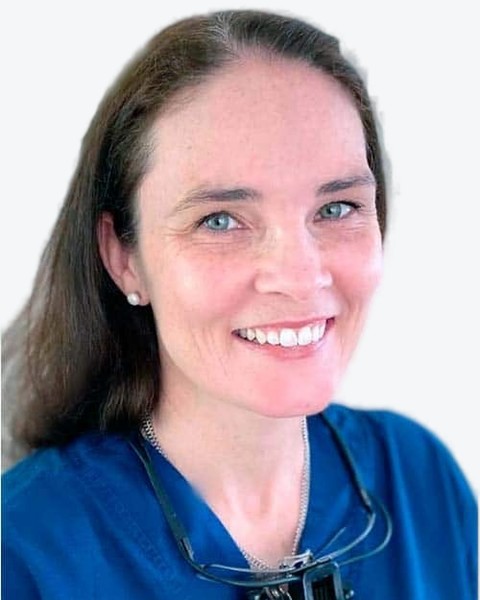
Hay fever, nasal allergy, asthma and eczema are assessed and treated at Kogarah by our allergist, Dr Jessica Tattersall, working alongside the ENT surgeons — so the cause of a blocked, runny or itchy nose can be identified and treated in one place.
Who should be tested
Anyone with persistent nasal symptoms — blockage, sneezing, itch, clear discharge, post-nasal drip — especially with a seasonal pattern, asthma, eczema or a family history of allergy. Testing is also useful before sinus or nasal surgery, when a child has recurrent ear or nose problems, and when symptoms have not responded to the usual sprays and antihistamines.
Skin prick testing and blood tests
Skin prick testing is done in the rooms: a drop of each allergen extract (grass and tree pollens, house dust mite, cat, dog, moulds and others) is placed on the forearm and the skin gently pricked; a small itchy bump within 15 minutes shows sensitivity. It is quick, safe and suitable for children. Antihistamines need to be stopped for a few days beforehand — the rooms will advise. Blood tests for allergen-specific IgE are used when skin testing is not possible, and can be collected at SydPath on the ground floor.
Immunotherapy (desensitisation)
For people whose allergies are troublesome despite good medical treatment, immunotherapy retrains the immune system by giving gradually increasing doses of the relevant allergen, as drops or tablets under the tongue or as injections, over three to five years. It is the only treatment that changes the underlying allergy rather than just controlling symptoms, and it can reduce the risk of children with hay fever developing asthma. Dr Tattersall also provides asthma, allergy and anaphylaxis action plans, and medical rhinology for non-allergic rhinitis and nose bleeds.
Common questions
Do I need a referral to see the allergist?
A GP referral is required to see one of our otolaryngology (ENT) specialists. A referral is not required to see Dr Tattersall — you can book with her directly, and our surgeons can also refer to her after a consultation.
Can children be allergy tested?
Yes. Skin prick testing is safe and quick in children of all ages.
Do I stop my antihistamines before testing?
Yes. It is important to stop antihistamines before your appointment — usually for three to five days — so that skin prick testing can be performed and read accurately. Nasal sprays and asthma inhalers can continue. The rooms will confirm the details when you book.
Is immunotherapy worth it for hay fever?
Yes. Immunotherapy (desensitisation) is one of the most established and well-researched treatments for the long-term management of allergy and hay fever, and is used across the full range of disease from mild to severe. It treats the allergy itself rather than suppressing symptoms with medication, so it can bring the allergy under control at every site it affects — eyes, skin, lungs and nose — and is one of the few treatments that gives long-term, clinically meaningful benefit. Most people notice improvement within the first six months. Treatment usually continues for between 12 and 36 months; it is uncommon to need it for as long as five years.
Who provides this at Kogarah



Book
Call the rooms of the specialist you have been referred to, or any of us if you are unsure. New patients can register online before their visit.