
Services at Kogarah
Nasal airway testing — measuring how well you breathe through your nose
A blocked nose is a feeling; nasal airway testing turns it into a measurement. The group’s nasal airway laboratory attends Kogarah so that airflow, resistance and the response to treatment can be measured objectively before any decision about surgery.
Why measure
The sensation of a blocked nose does not always match what is found on examination, and the causes — allergy, rhinitis, a deviated septum, enlarged turbinates, nasal valve collapse, sinus disease — need different treatments. Objective testing shows how much air actually passes through each side of the nose, whether a decongestant spray improves it (which points to inflammation rather than structure), and how a patient compares with normal values for their age. It is the same approach used in the group’s research programme at UNSW and Macquarie University.
What the tests involve
Testing is painless and takes about 30 minutes. It typically includes rhinomanometry (breathing through a mask while pressure and flow are recorded), peak nasal inspiratory flow, and validated questionnaires such as the NOSE and SNOT-22 scores, before and after a decongestant spray. Results are reported to your surgeon and GP and inform whether medical treatment, allergy treatment or surgery such as septoplasty is likely to help.
For referring doctors
GPs can refer directly for nasal airway testing using the NOSE Lab referral form on the GP page; the report comes back with the ENT consultation or on its own.
Common questions
Is nasal airway testing uncomfortable?
No. It involves breathing normally through a mask and blowing through a small meter; it is painless and suitable for children old enough to follow instructions.
Do I need to stop nasal sprays before testing?
Yes. In general, stop all nasal sprays 48–72 hours before testing so that the measurements reflect your nose without medication. The rooms will confirm this when you book.
Does Medicare cover the testing?
When testing is performed as part of your appointment with one of our specialist otolaryngologists there is no additional cost — it is bulk billed as part of the consultation. If testing is arranged as a separate appointment on its own, there is usually an additional fee, with a Medicare rebate available.
Will I need surgery if the test is abnormal?
Not necessarily. Many abnormal results improve with medical or allergy treatment, which is tried first; the test helps show when surgery is the right next step.
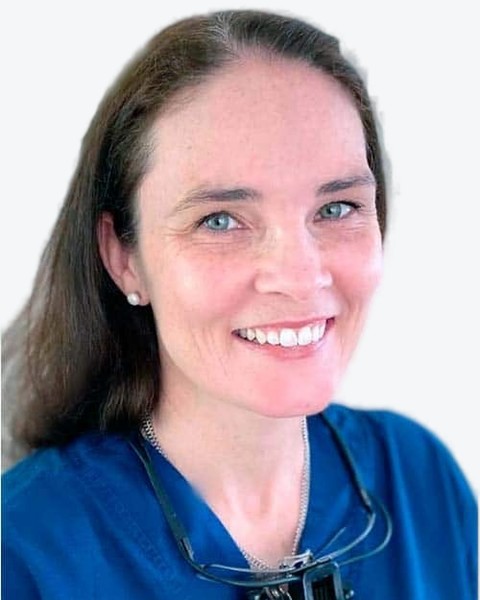
Who provides this at Kogarah



Book
Call the rooms of the specialist you have been referred to, or any of us if you are unsure. New patients can register online before their visit.