
Home / Conditions / Nose & sinus
Nose & sinus
Acute sinusitis
There are many sinus disorders that can occur. 1%) but when it does, secondary fever, unilateral (one-sided) pain and/or eye and facial swelling can be a sign. This almost always resolves with medical therapy and surgery is rarely needed.
Clinical content by the surgeons of Sydney ENT Clinic · Updated October 2026
There are many sinus disorders that can occur. Acutely, true bacterial sinusitis rarely affects common colds or viral upper respiration (<0.1%) but when it does, secondary fever, unilateral (one-sided) pain and/or eye and facial swelling can be a sign. This almost always resolves with medical therapy and surgery is rarely needed. However, if a single sinus becomes locked in or refractory to medical therapy then surgery is often applied. Sometimes a dysfunctional sinus will be become ‘recurrently’ infected, these sinuses are usually abnormal still in between events and always the same location. This is another indication for surgery. When the condition is bilateral, with normal periods in between and usually resolves within 2-3 weeks then these episodes are usually viral and/or allergic reactions in the nose and sinuses. Medical therapy usually provides success here.
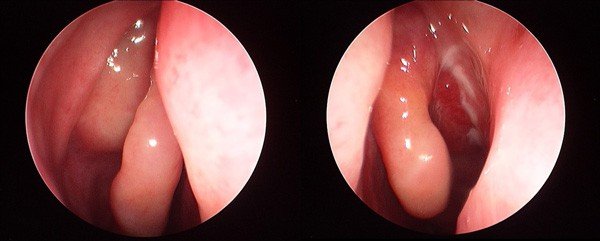
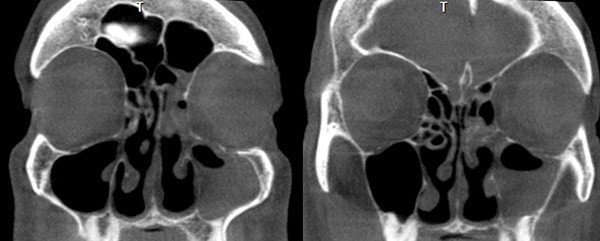
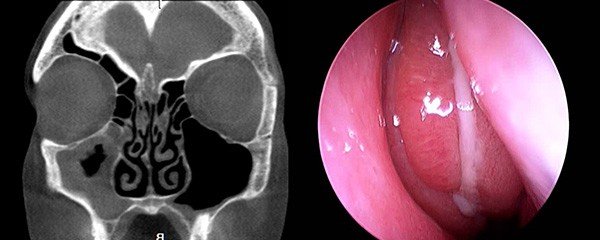
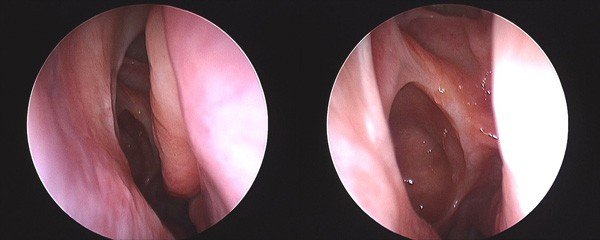
Tested at Kogarah on the day
Allergy testing and objective nasal airway measurement are available in Suite 5 with our allergist and scientists from the group’s nasal airway laboratory, and a sinus CT can be arranged at Lumus or Castlereagh Imaging within a few hundred metres of the clinic.
Frequently asked questions
How do I know if I have a sinus infection or just a cold?
The best guide is which side the symptoms are on. If the congestion, pressure and discharge are on both sides at the same time, it is almost certainly not a bacterial sinus infection — it is a viral cold, allergy or inflammation of the nasal lining (an acute rhinitis). When the symptoms are clearly one-sided, a bacterial infection or a local anatomical problem in that side of the nose becomes much more likely. How long the symptoms have lasted, and the classic ‘getting better then worse again’, turn out to be poor predictors of a true bacterial infection; recurrent symmetrical symptoms on both sides of the face point to a viral event mixed with inflammation and allergy.
Do I need antibiotics for sinusitis?
Only if it is a true bacterial infection, and even then with realistic expectations. Antibiotics can shorten a bacterial sinus infection, but they do not prevent the serious complications. Orbital abscess, facial cellulitis and intracranial abscess have been shown not to be related to whether antibiotics were started early; they are the result of an unusually aggressive organism. For the far more common two-sided viral or inflammatory sinusitis, antibiotics do nothing, and saline rinses, a steroid spray and time are the treatment.
When should I see an ENT specialist for a sinus infection?
Uncomplicated acute sinusitis is best managed by your GP. ENT review is warranted when there is a complication or a warning sign — swelling or redness around the eye, double vision, severe systemic illness, severe headache, drowsiness or confusion — which need to be seen the same day; when infections keep recurring on the same side; or when an infection does not fully clear and lingers on one side between episodes. One-sided, recurrent or persistent symptoms are the ones that need a specialist to look inside the nose.
Can a sinus infection spread to the eye or brain?
Rarely, yes, and this is the reason the warning signs matter. The sinuses sit against the eye socket, the forehead and the floor of the brain, so infection can spread to cause orbital cellulitis or an orbital abscess (swelling, redness and pain around the eye, double vision, reduced vision), meningitis, an abscess inside the skull or a subdural collection (severe headache, fever, drowsiness, confusion, seizures), and infection beneath the skin of the forehead — the so-called Pott’s puffy tumour. Any of these is an emergency: go to an emergency department.
Who treats this at Kogarah



Complex and tertiary sinus and skull base cases: Prof Richard Harvey, Darlinghurst.
For GPs
Send the referral directly to the specialist’s rooms. If the right surgeon isn’t obvious, send it to any of us and we will place it.
Referral information