
Home / Conditions / Nose & sinus
Nose & sinus
Nose bleeds (epistaxis)
While nasal bleeding can be very common, unilateral bleeding with or without obstruction is a common sign of a nasal tumour. Thankfully, nasal tumours are uncommon to rare.
Clinical content by the surgeons of Sydney ENT Clinic · Updated October 2026
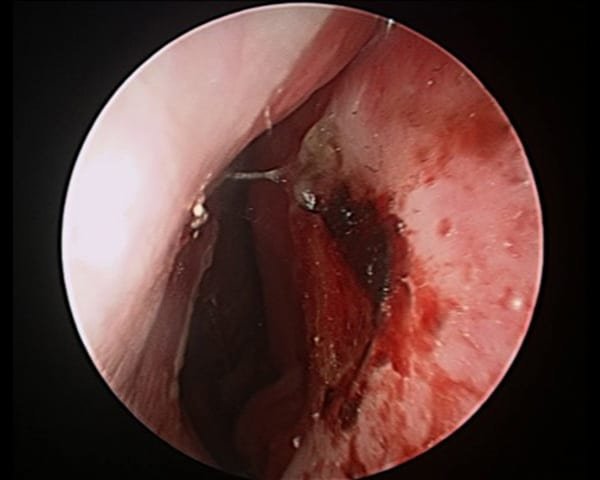
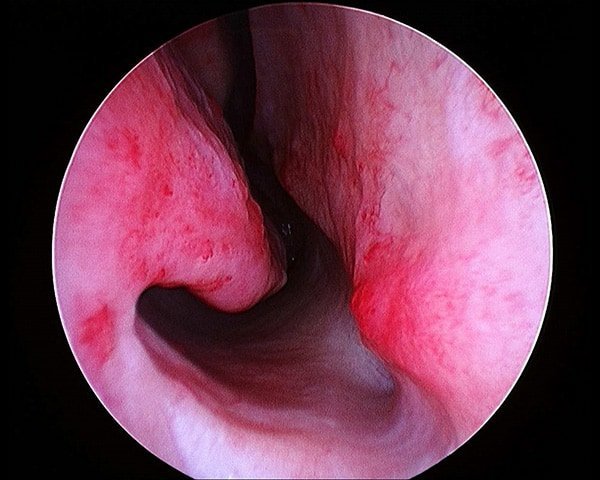
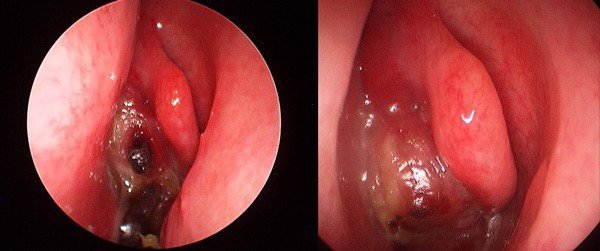
Common conditions that are associated with nasal bleeding include small broken blood vessels (single telangiectasia), small collection of blood vessels (hemangioma and the equivalent of cherry red spots on the skin), septal ulceration, hereditary haemorrhagic telangiectasia (condition of genetic predisposition to multiple telangiectasia) and nasal tumours.
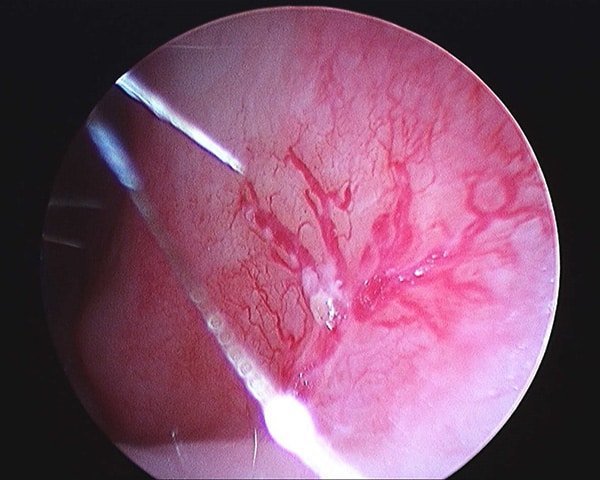
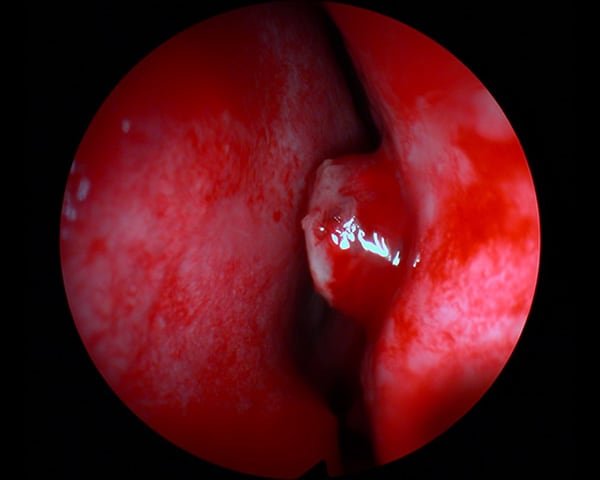
Small collection of blood vessels (hemangioma and the equivalent of cherry red spots on the skin)
Tested at Kogarah on the day
Allergy testing and objective nasal airway measurement are available in Suite 5 with our allergist and scientists from the group’s nasal airway laboratory, and a sinus CT can be arranged at Lumus or Castlereagh Imaging within a few hundred metres of the clinic.
Frequently asked questions
How do I stop a nosebleed at home?
Lean forward and pinch the soft part of the nose — the fleshy part below the bone — firmly for ten minutes without letting go. If you have a decongestant spray containing oxymetazoline in the house (Dimetapp, Drixine and Sudafed nasal sprays are common brands), spray it into the bleeding side first: it constricts the blood vessels of the lining, and although it is sold for unblocking a cold, it works very well for nosebleeds. Do not tip your head back.
When is a nosebleed serious enough to go to hospital?
If you cannot stop it yourself within five to ten minutes, or the bleeding is very heavy, go to an emergency department — every hospital emergency department is well able to manage a nosebleed. Also seek help if you are on blood thinners and the bleeding will not stop, if you feel faint, or if nosebleeds are recurring frequently from the same side.
Why does my child get frequent nosebleeds?
Usually because of a combination of things: children often have allergy or rhinitis, which inflames the lining, and they blow their noses hard with tissues or pick at them, which repeatedly breaks the lining at the front of the nose. The lining becomes less stable and forms small abnormal blood vessels called telangiectasia, which bleed easily. The telangiectasia can be treated, but the underlying factors — the allergy and the rubbing — need to be addressed as well, or they come back.
Do blood thinners cause nosebleeds and should I stop them?
Blood thinners do not in themselves cause nosebleeds. What usually happens is that someone with a small, otherwise harmless abnormality in the lining on one side starts a blood thinner and that spot, which would never have bled before, now does. Treating the spot often allows the blood thinner to continue. Whether to stop a blood thinner is never a decision to make on your own, or one that an ENT surgeon makes alone: it depends on the risk of the condition the blood thinner is treating, so it must always be discussed with the specialist or GP who prescribed it.
What can an ENT do for recurring nosebleeds?
A good deal, and an ENT review is important for anyone with recurring nosebleeds. The surgeon identifies the factors contributing to the bleeding and examines the nose with an endoscope to find the local lesion that is bleeding — a telangiectasia, an ulcer on the septum, or occasionally something more significant. Often a small procedure can be done at the same visit, such as electrical or chemical cautery of the bleeding spot, together with treatment of the underlying condition such as rhinitis or dryness.
Who treats this at Kogarah



Complex and tertiary sinus and skull base cases: Prof Richard Harvey, Darlinghurst.
For GPs
Send the referral directly to the specialist’s rooms. If the right surgeon isn’t obvious, send it to any of us and we will place it.
Referral information