
Home / Conditions / Nose & sinus
Nose & sinus
Rhinoplasty and nasal reconstruction
Many people make choices to change their appearance. Perhaps one of the most defining features of someone’s face is their nose.
Clinical content by the surgeons of Sydney ENT Clinic · Updated October 2026
When the nose is not in proportion with the rest of the face, it often affects the facial harmony more than anything else.
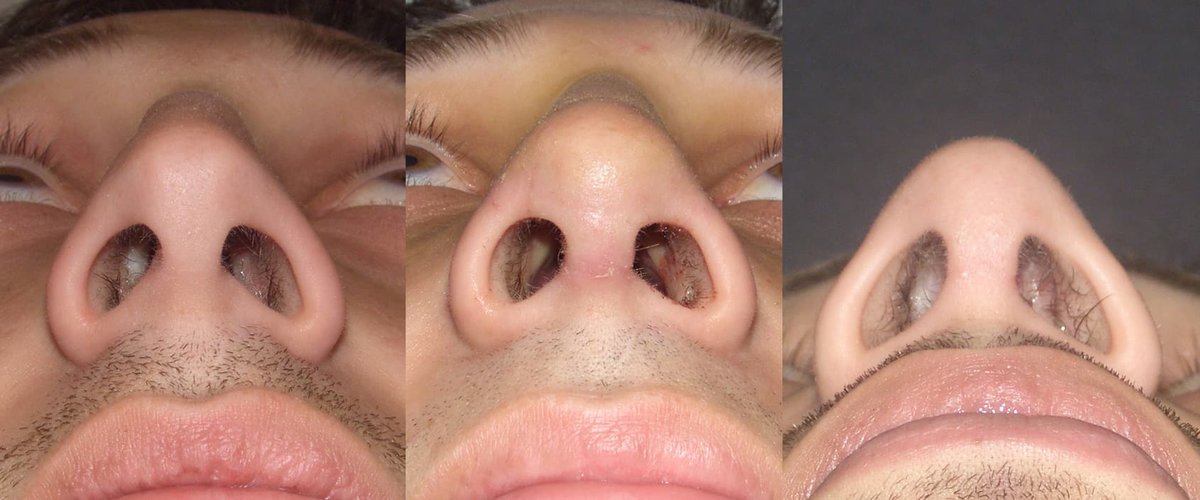
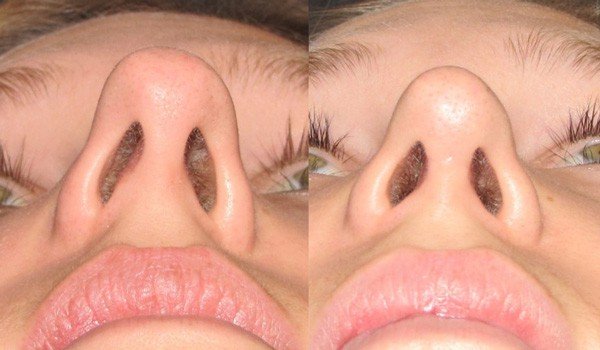
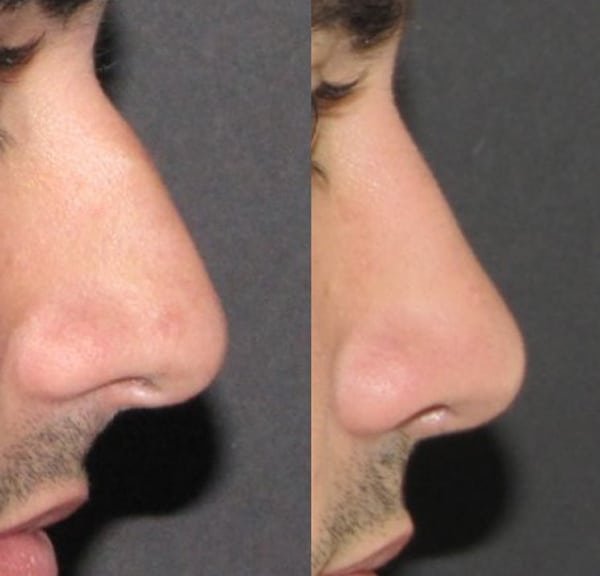
Good rhinoplasty is blend of maintaining or improving function while manipulating the nasal skeleton to give a more desirable appearance and shape. A individuals original skin envelope, and the thickness of their skin will always impact the final shape of the nose. Most patients don’t want to have a nose that looks like it has been operated on (the ‘done’ look) and while this was a result that many patients (and celebrities) got from surgery in the 1980/90s it is avoided in modern rhinoplasty surgery.
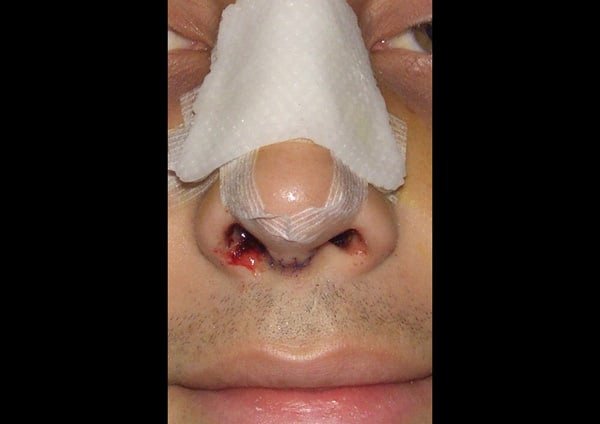
The surgery is performed with a small incision in the skin between the nostrils (columella) and then the remaining incisions are hidden. Only if the base of the nose is narrowed (alar base reduction) will there be sutures elsewhere on the outside of the nose.
The external cast and sutures are all removed by day 14 post surgery and this is when you can return to work, socializing and exercise. While the surgery is only on the bone cartilage and soft tissues of the face, you will be able to function and get some tasks done while healing, general work, socializing and exercise is generally avoided in the first 2 weeks.
Tested at Kogarah on the day
Allergy testing and objective nasal airway measurement are available in Suite 5 with our allergist and scientists from the group’s nasal airway laboratory, and a sinus CT can be arranged at Lumus or Castlereagh Imaging within a few hundred metres of the clinic.
Frequently asked questions
What is the difference between rhinoplasty and septoplasty?
Rhinoplasty changes the framework of the nose — the external structure of bone and cartilage. It is done for breathing problems as well as for appearance, and the two goals are usually intertwined: rebuilding the structure of the nose is how weak sidewalls or a collapsing nasal valve are corrected. Septoplasty is narrower: it straightens the septum, the midline wall between the two sides of the nose. Both can be done ‘open’ or ‘closed’. Rhinoplasty is most often an open operation, through a small incision in the skin of the columella between the nostrils; septoplasty is traditionally done through an incision inside the nostril, but it is very commonly performed open when part of the septum has to be completely replaced. Conversely, some rhinoplasties can be done entirely through the nostrils.
Is rhinoplasty covered by Medicare or private health insurance?
When the surgery has a functional component, yes. Medicare item 45641 covers total rhinoplasty where the indication is either airway obstruction with a self-reported NOSE Scale score greater than 45, or a significant acquired, congenital or developmental deformity, with photographic and/or NOSE Scale evidence documented in the notes (MBS item 45641). With a Medicare item number, private health insurance covers the hospital costs, and Medicare and the fund contribute towards the surgeon’s and anaesthetist’s fees. Be aware that for most rhinoplasty patients there is still a substantial gap for the surgeon’s fee; your surgeon’s rooms will give you a written quote before you decide.
Can breathing and appearance be fixed in the same operation?
Yes — and rhinoplasty almost never has only one goal. For most patients it is a mix of the two, and even when the aim is purely aesthetic, a great deal of care goes into preserving or improving the nasal airway as part of the operation.
How long is recovery after rhinoplasty?
The short answer: a cast on the nose for about two weeks. When it comes off, the swelling has usually settled enough to return to social and professional life, and most people are back to exercise at around two weeks. The long answer: full recovery takes about twelve months. Early on the nose is swollen and lacks definition, and the skin needs time to shrink down over the new framework. By three months there is usually a dramatic improvement in shape, the nose begins to feel softer and sensation returns; subtle refinement continues out to a year or more. For that reason rhinoplasty patients are followed up for a year.
What is nasal reconstruction and who needs it?
Nasal reconstruction — open nasal reconstruction, or open septorhinoplasty — is an operation to rebuild the framework of the nose, the approach known as structural rhinoplasty. Surgeons who practise this style of surgery can rebuild almost any nose: however badly the underlying bone and cartilage have been deformed by injury, previous surgery or disease, there is usually a way to recreate them, using cartilage from the septum, ear or rib. The real limiting factor is the lining, inside and out. If the inside of the nose has been heavily damaged by recreational drugs, trauma or disease, or the skin on the outside has been affected by previous surgery, radiotherapy or other conditions, reconstruction becomes much harder. The structure can almost always be rebuilt; missing lining — mucosa inside or skin outside — is the challenge.
Who treats this at Kogarah


Complex and tertiary sinus and skull base cases: Prof Richard Harvey, Darlinghurst.
For GPs
Send the referral directly to the specialist’s rooms. If the right surgeon isn’t obvious, send it to any of us and we will place it.
Referral information