
Home / Conditions / Nose & sinus
Nose & sinus
Nasal allergies and hay fever
Nasal allergies, hayfever and allergic rhinitis all describe the same disease condition.
Clinical content by the surgeons of Sydney ENT Clinic · Updated October 2026
People who are not only get allergic symptoms in their nose but also their eyes (allergic conjunctivitis), lungs (asthma), skin (eczema) and throat (itchiness, palate clicking/rubbing) are considered to have broader allergy and called atopic. We are very proactive in how we manage allergic patients. Although we prescribe medications to “suppress’ the allergy at each of these areas on the body that are affected, we a keen to provide a long-term solution. Great efforts are made to start immunotherapy or desensitization treatments that are aimed at teaching the patients immune system to become less allergic. There are many easy options and preparations available in the Australian market.
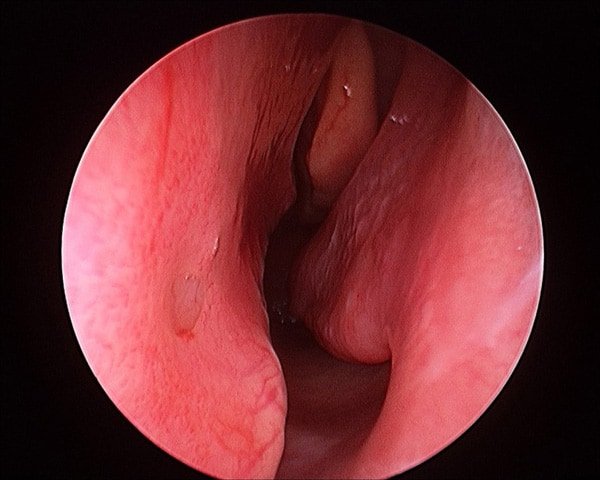
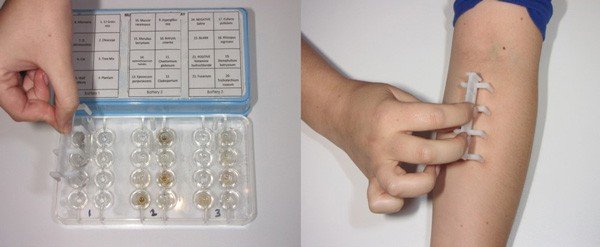
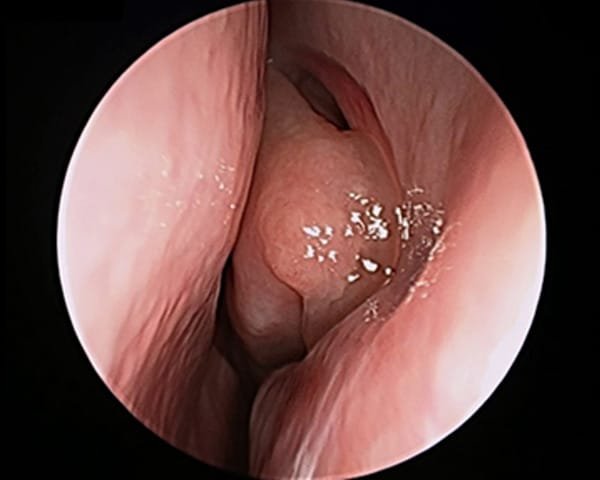
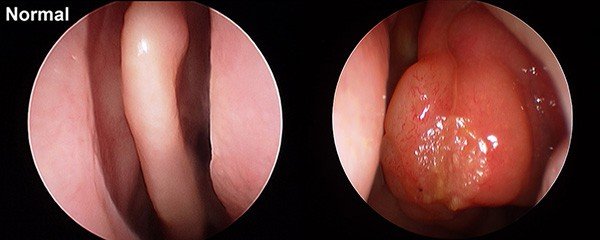
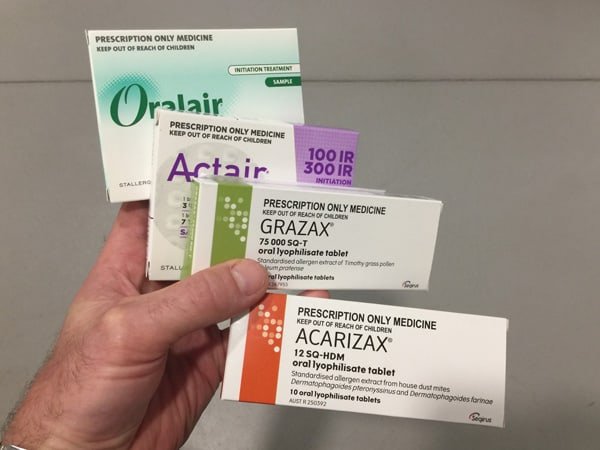
Tested at Kogarah on the day
Allergy testing and objective nasal airway measurement are available in Suite 5 with our allergist and scientists from the group’s nasal airway laboratory, and a sinus CT can be arranged at Lumus or Castlereagh Imaging within a few hundred metres of the clinic.
Frequently asked questions
How do I know if my blocked nose is allergy?
It is not always obvious. Many people with nasal allergy never itch, sneeze or run — their only symptom is congestion. The clues are elsewhere in the body: itchy or watery eyes, reactive skin such as eczema or atopic dermatitis, and asthma, particularly asthma that began in childhood. These are allergic conditions, and when they are present, allergy is usually affecting the nose as well.
What does allergy testing involve and does it hurt?
The most reliable test is skin prick (epicutaneous) testing: a drop of each allergen is placed on the forearm and the skin is pricked through it; a small itchy bump within 15–20 minutes shows a reaction. It is quick and not painful, and it is done in our suite at Kogarah. Blood tests for allergen-specific IgE are the alternative when skin testing is not possible. One important limitation: a positive test is reliable, but a negative skin or blood test does not exclude allergy in the nose — the false-negative rate is high. That is why examination of the nose with an endoscope is so important: it shows whether the lining looks allergic, whatever the tests say.
What is immunotherapy (desensitisation) and does it work?
Immunotherapy works by identifying which airborne allergen — dust mite, grass pollen, animal dander, mould — your immune system is reacting to most, and then exposing the immune system to a controlled dose of that allergen regularly until it stops over-reacting. It is most often given as a tablet dissolved under the tongue every day, sometimes as drops; it can also be given as injections by a doctor, weekly at first and then every four weeks as a maintenance dose. Benefit is expected within the first six months of treatment, and most people continue for one to three years. It is one of the most established and well-researched treatments for long-term control of allergy, treats the allergy itself rather than suppressing symptoms, and benefits the eyes, skin and lungs as well as the nose. Dr Jessica Tattersall provides immunotherapy at Kogarah — see allergy testing and immunotherapy.
Can an ENT help with hay fever if antihistamines are not working?
Yes, in three ways. First, by answering whether it really is allergy — examining the nose with an endoscope and testing — and excluding the other conditions that mimic it. Second, by deciding whether immunotherapy is appropriate, so the allergy is treated rather than suppressed. Third, when there is a structural problem causing a true restriction of airflow — not just a sense of congestion — septal and turbinate surgery can help. At Kogarah the ENT surgeons and our allergist work in the same suite, so this is done together.
Can children be tested for allergies?
Yes, at any age, although testing is generally done from about five years onwards: by then it has usually become clear whether a child is atopic — has an allergy-skewed immune system — and the results are more useful. Skin prick testing is quick and safe in children and is done in our suite at the time of the appointment by the scientists of our nasal airway laboratory, with assessment by our allergist for children with hay fever, asthma or eczema.
Who treats this at Kogarah


Complex and tertiary sinus and skull base cases: Prof Richard Harvey, Darlinghurst.
For GPs
Send the referral directly to the specialist’s rooms. If the right surgeon isn’t obvious, send it to any of us and we will place it.
Referral information